I Tried Surviving the World’s Craziest Traffic


I Tried Surviving the World’s Craziest Traffic — Here’s What Broke Me First
There are travel experiences no guidebook truly prepares you for. Street food surprises? Manageable. Language barriers? Solvable. But traffic—the kind that tests your patience, sanity, and sense of time—hits differently.
I didn’t plan to experience the world’s craziest traffic. It just happened, city after city, until I realized congestion itself had become part of the journey. This isn’t a list of statistics or rankings. This is what it feels like to sit inside gridlock where rules are optional and horns speak louder than logic.
The First Shock: When Lanes Become a Suggestion


In some cities, lanes exist only in theory. Cars drift sideways. Motorbikes squeeze through gaps that should not physically exist. Auto-rickshaws appear from nowhere, and pedestrians cross as if daring traffic to blink first.
What shocked me wasn’t the chaos—it was the confidence. Everyone seemed certain they would get through, even when nothing moved.
Time lost all meaning. A five-minute drive quietly transformed into an hour-long negotiation with fate.
The Horn Economy: Noise as a Language

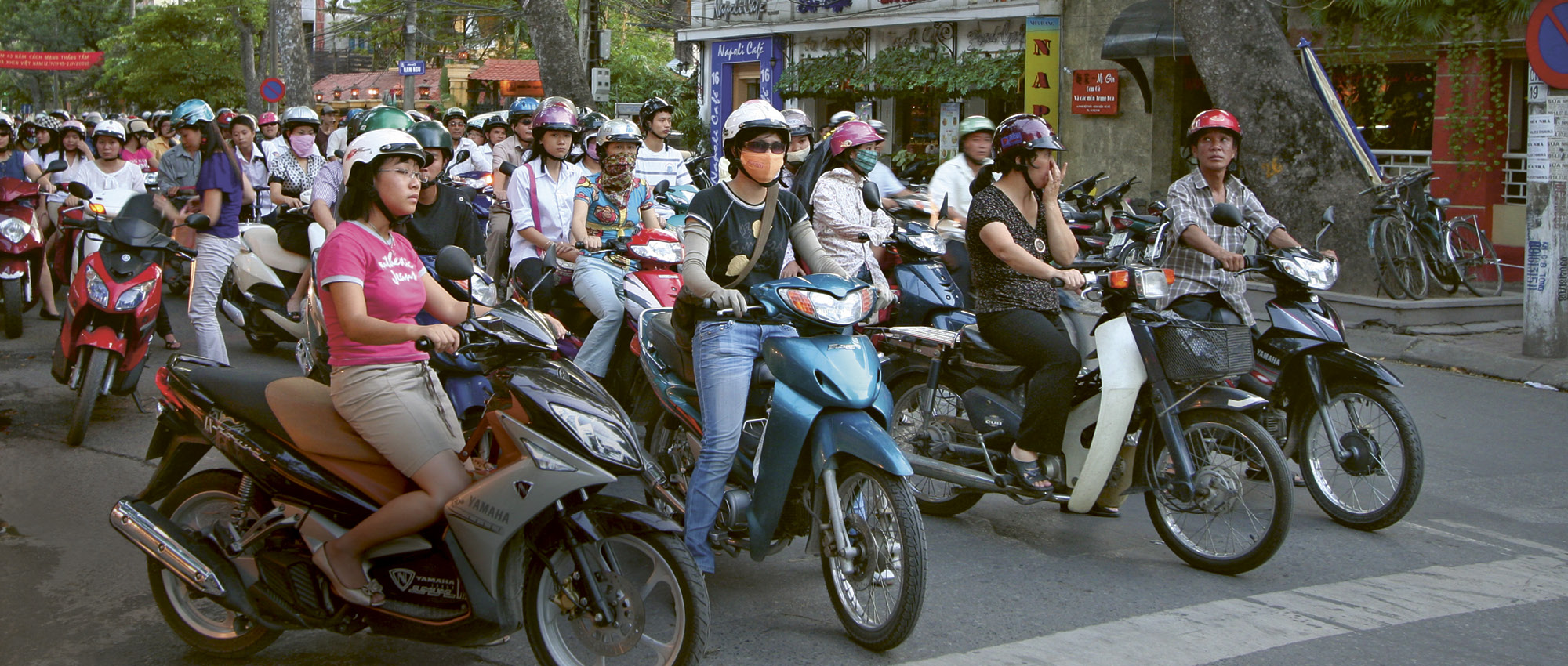
In parts of Southeast Asia, the horn isn’t rude—it’s conversational. Short beep: I’m here. Long beep: I’m coming through. Continuous beep: I’ve given up on peace.
At first, I flinched at every sound. By day three, I stopped noticing. By day five, silence felt suspicious.
Traffic didn’t just clog roads—it filled the air, the mind, the day.
When Two Wheels Rule the Road


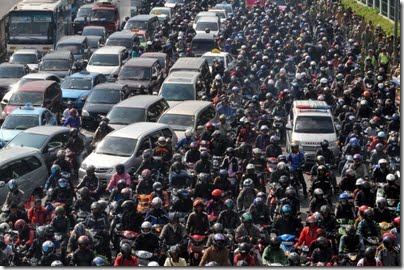
Motorbikes are the true survivors of extreme traffic. They glide between cars, mount sidewalks, reverse through intersections, and somehow never crash—at least not often enough to stop the system.
Watching thousands of bikes flow around stalled cars felt like witnessing organized chaos. From inside a car, it was maddening. From the outside, almost impressive.
Still, being boxed in by unmoving metal while two-wheelers escaped freely tested my restraint.
The Psychological Toll of Standing Still


The hardest part wasn’t the noise or delay—it was the powerlessness. You can’t walk. You can’t turn back. You can’t speed up. You just sit.
Meetings are missed. Plans dissolve. Hunger becomes anger. Anger becomes acceptance.
At some point, everyone reaches the same mental checkpoint: This is my life now.
Why It Works (Barely)
Strangely, these cities don’t collapse. People arrive. Goods move. Life continues.
The traffic survives because everyone adapts:
- Drivers expect unpredictability
- Pedestrians learn timing by instinct
- Locals build patience into daily life
What looks impossible to outsiders is simply normal for those who live there.
What I Learned Sitting in Gridlock
Surviving the world’s craziest traffic taught me a few uncomfortable truths:
- Control is an illusion
- Time is negotiable
- Patience isn’t optional—it’s survival gear
In extreme traffic, you don’t conquer the road. You surrender to it.
Final Thought
I came out of those traffic jams slower, calmer, and far less convinced that urgency solves anything. The roads were wild, loud, and exhausting—but they forced a rare kind of stillness.
Not the peaceful kind.
The unavoidable kind.
And oddly enough, I’m not sure I’d trade the experience away.